



The success of the Switch console family has prompted many publishers to dig into their back catalogs to revisit their big hits and big series to appeal to Nintendo-only players and those who value portability alongside home use. Ubisoft has done just that with the Assassin's Creed series, but that support has been spotty. The first game isn't there, but you can access everything from Assassin's Creed II to Rogue. None of the other titles in the traditional series are present, the Chronicles sub-series is missing, and the bigger worlds from Origins onward are also gone. This makes the release of Assassin's Creed Shadows on Switch 2 fascinating, since it is the latest game in the large, open-world versions of the series. It should also be the most taxing title from Ubisoft in these early days for the system, but the publisher has had some good luck with the technical aspects of Star Wars Outlaws on the Switch 2, so there's a chance that it can get lucky again.
Much like the experience on the other platforms, you start with the Animus Hub, which acts as a link to all of the other games in the series from Origins and beyond. It made sense for every other platform since the older games exist there, but that isn't the case with the Switch. This could be some possible foreshadowing that the older titles will eventually get ported to the Switch 2, but if that isn't the case, then its presence feels less like teasing and more like laziness in retrofitting the game for the new platform.
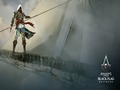
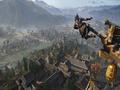
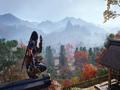
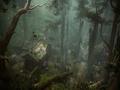
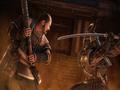
After a lengthy introduction taking place in the future between the warring factions of the series, the Templars and the Assassin Brotherhood, the story starts properly in the Sengoku period of Japan. As the Jesuit missionaries ask for permission to roam the country to introduce Christianity to the people, Lord Oda Nobunaga takes great interest in the African slave named Diogo, who the priests have brought with them. Nobunaga renames Diogo to Yasuke and has him trained to be a samurai in his employ. Meanwhile, the Iga province comes under attack from Nobunaga's forces and the young kunoichi there, Naoe, is tasked with locating and protecting a box that contains a valuable artifact of an unknown purpose. The duo eventually crosses paths, slowly forming up a new version of the Brotherhood in Japan.
The narrative takes on some of the familiar trappings of the series. You'll meet loads of famous historical figures taking on roles that are different enough from their real-life counterparts but not so different that it makes their presence and activities feel out of place. There are several twists in the storyline, but nothing feels outlandish or seems like a twist just for the sake of it. If you're more familiar with the way the older Assassin's Creed games told their stories, you'll be both surprised and glad to learn that the newer entries like this one don't put focus much on the future Brotherhood and Templar war. The focus is squarely on the Sengoku era, so don't expect mysterious voices instructing you from unfamiliar places except for the beginning and end of the game.
We initially reviewed the game in late March of 2025, and our opinion of the title hasn't changed since that time, mostly because the Switch 2 version isn't missing any content compared to its PC and higher-definition console counterparts. This version still contains a large, open world filled with various side-quest markers and tall towers to help you survey the world. The RPG-like leveling system from past games is present and just as varied as ever when it comes to the various skills hidden in its trees. The base-building feature and scout mechanic are also available, giving you the chance to investigate an area and grab loot while performing other missions. This all occurs as the seasons mark the passage of time. Unless you've been following along with the newer games in the series, Shadows really takes the base established by the original title and expands upon it in a way that gives the game plenty of depth.
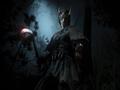
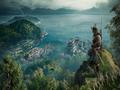
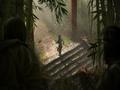
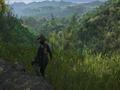
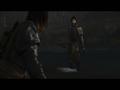
The most exciting feature is the dual protagonists, both of whom have distinctly different approaches to their gameplay. Naoe is more like the traditional heroes of the series, as she employs stealth as her main weapon. All of the familiar takedown techniques are present in addition to a means of spotting and marking enemies from afar. Parkour and tightrope walking are employed often, as is a grappling hook to help you scale large vertical buildings. She can fight, but she's also fragile, so it only takes a few hits before she dies unless you have a glut of healing weapons at your disposal. So far, so familiar.
On the other hand, Yasuke offers up a more straightforward approach to any situation. He is essentially a more tank-like version of Eivor from Assassin's Creed Valhalla, as he can soak up a bunch of damage before needing to heal up. He has a bow and arrow, but his real strength comes from his sword, which can mow down most enemies in a couple of strokes. He can't perform any parkour, but he can bash through weak doors to make up for it. His approach is the opposite of what the series has emphasized for so long, but he feels good to play as. He can serve as a brief palate cleanser if your stealth approach isn't working.
Their differences make for a more novel approach to the game's missions. There are moments when you want to go in quietly and sneak around while silently taking down enemies one at a time. There are other moments when you simply want to bash in foes and not worry about the consequences. With the exception of a few key story-related moments, you're never forced to stick with one character for long stretches of time, so the added gameplay variation keeps the game feeling fresh.
The one complaint the series has always had since the move to Origins onward is the glut of side-quests that seemed to artificially pad out the game time. This was further exacerbated by the fact that the subsequent games in the series were released on a near-annual basis. That isn't the case with Shadows simply because of the lack of modern Assassin's Creed titles on the platform. This kind of game still feels good, since there aren't too many open-world games on the Switch family. With that said, one complaint is that the missions in the game's back half start to feel too similar, and the need to traverse large tracts of land to complete many of the side-quests can dampen their overall quality. It isn't enough to kill the game's vibe, and the gameplay differences between Yasuke and Naoe's styles keep things lively, but it is very noticeable.
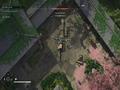
The Switch 2-specific features are minimal. Shadows features touch controls, but only for map navigation and for hideout decoration. There is no mouse control support, and there aren't any gyro controls. Unlike Star Wars Outlaws, there are two versions of the game available, so you aren't automatically getting the Claws of Awaji DLC unless you pay for the deluxe edition. At least you have the option to carry over your saves from other platforms, so choosing to go portable doesn't mean having to start over, which is great for a game that can run very long if you're a completionist.
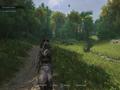
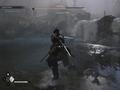
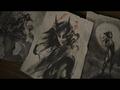
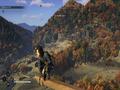
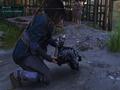
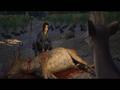
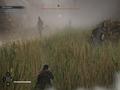
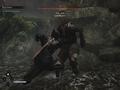
When it comes to the graphics, it is impressive when you consider the hardware platform it is on. The character models look great, as do the environments with no significant loss in detail. Part of this is due to the textures, and while they aren't completely high-resolution ones, you'll rarely see anything that is so low-resolution that it looks ugly. The other factor is DLSS, which does a great job of making the game look good from a lower base resolution without any of the fizzling or other telltale signs of the technology's shortcomings. The game's animations look nice as well, especially during the in-game cut scenes, where the camera gets in close to show off some visual details. The frame rate tries to hit 30fps most of the time, and it largely succeeds, even in some intense fights where there's lots of smoke and fire. The only time it starts to falter is when you're traveling through the world on horseback. The constant loading of the world does take its toll, with some minor hitching until you slow down or stop entering different biomes. Overall, it remains impressive that Ubisoft was able to pull off what it did graphically, and it bodes well for possible future entries also appearing on the system.
The sound is just as good on the Switch 2 as it is on the other platforms. The music is excellent, and the tracks do a good job of creating an epic soundscape without relying on too many traditional Japanese instruments. The sound effects come through clearly, while the voice work is fantastic all around. That holds true whether you're going for the full English or Japanese tracks, as the acting in both even gives the bystanders some personality.
Assassin's Creed Shadows is a solid entry for Nintendo fans who have always wanted to play in this world. The game does a good job of making each character's play style feel distinct, while also keeping the experience fun in the process. The missions can start to feel very similar after a while, but the amount of content means that there's plenty to do before you'll see the end credits roll. The presentation remains impressive overall, and unless you're completely burned out on open-world adventure games, Shadows is a good one to get stuck on.
Score: 8.0/10
More articles about Assassin's Creed Shadows