










 Psyvariar 3 is the newest iteration of the vertical shoot-'em-up series, building on the franchise's signature "buzz" mechanic while introducing new characters, refined controls, and a variety of game modes.
With the release of Psyvariar Delta to most modern platforms in 2019, one expected 2003's Psyvariar 2 to follow suit. That never happened, and we have to wonder if that will ever happen. Instead, we're getting Psyvariar 3, a completely new entry in the series with developers Red Art Studios and Banana Bytes at the helm. There is understandably some concern with new developers creating a brand-new game in the series, but after playing Psyvariar 3, it's clear that the developer duo knows what it's doing.
While a storyline is merely window dressing in a game like this, there has been some effort in crafting a tale, even if it is very familiar for the genre. The game takes place a few years after the events of Psyvariar 2, where the surviving human colonists have reclaimed Earth for all humankind. They were successful, and peace has prevailed, but it isn't long before Earth is under attack again. This time, a new generation of Psyvariar pilots have answered the call to defeat the enemy forces once more. The game gives you a multi-segmented text crawl detailing the history of the game world, and while the narrative is nice, it's very difficult to read, so there needs to be better color contrast between the text and the lighter background.
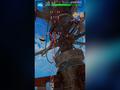
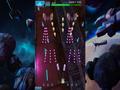

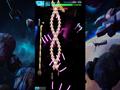
If you haven't played any of the previous games in the series, this is a bullet hell shooter that operates differently from others in the genre. The basics are the same, such as having a tiny hitbox for your ship, holding down one button for continuous fire, bombs, and dealing with bullet curtain patterns. You can perform a barrel roll that tightens up your firing pattern and lets you dodge more bullets for a short amount of time. What you won't find are power-ups or other pick-ups from fallen enemies, so your focus is squarely on shooting and avoiding enemy fire.
The main difference between Psyvariar 3 and other shooters is the buzz mechanic. The idea is that you're trying to get as close to enemy bullets as possible without actually getting hit. Buzz translates into XP, which allows you to level up; this also powers up your main weapon and levels up the enemies around you, so they produce more bullets or come in at a higher frequency.
Since the mechanic isn't really used in other shoot-'em-ups, anyone coming into the game without prior knowledge will be slightly confused. You still get XP from destroying enemies, and you will perform buzz tactics purely by happenstance, but approaching this game as a traditional bullet hell shooter means you'll have stretches where nothing is happening and your ship will only feel slightly more powered up than before. Psyvariar 3 asks for a different approach, so you'll initially want to treat the game like an avoid-'em-up and be showy about your bullet dodges. Then you can transition into a shoot-'em-up to kill the enemies and get XP before switching back to an avoid-'em-up. It becomes a dance of ideals that makes the series different from its contemporaries to the point where some players call this a "thinking person's bullet hell title."

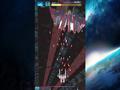

For the sequel, the big change is in the choice of up to seven different pilots, including Cotton from her own self-titled shoot-'em-up series. The characters come with their own different ship designs and shooting patterns, but the bigger difference is in their bombs. One character still has a bomb meant to clear away the bullets, but others are wildly different. One bomb produces a shield around your ship. Another acts as a bullet magnet and attracts all of the enemy bullets to the bomb's point of origin before dispersing them elsewhere. Another lets you control a cursor that acts as an invincible version of your ship, so you can dodge more bullets to gain more buzz before reappearing at the cursor's final location. All of these things don't completely transform the game — the stage layouts and overall goal are still the same — but the choices are an opportunity to make the gameplay more varied while also catering to various play styles.
The modes are normal for the genre but still feel plentiful thanks to the presence of multiple characters. Arcade mode is a standard seven-stage trek, but the mode starts with a stage zero that's meant to test your general aptitude for the gameplay mechanics. Level up high enough by the end of the stage, and you can access the higher difficulty levels, which offer up more enemies and more bullets for higher scoring opportunities. While you can choose which difficulty level you want to play with at the end of each stage, this system forces you to play better and more aggressively if you want to reach the game's true ending. If not, you'll be stuck in the game's easiest difficulty level until the end. Even then, don't expect to brute force your way through the game, as end credits are limited and only earned by replaying the mode multiple times. You'll need to make some effort, though, as dying multiple times in stage zero won't work.
At first glance, you'd think that Arrange mode would be simpler since you start fully powered-up and thus won't have to worry about the leveling system. The mode also boasts simpler enemy bullet patterns, but the truth is that this mode is much harder than Arcade mode because you're still dealing with max level enemy bombardments. The good news is that the max number of credits you can have in an Arcade run carries over, so you aren't starting from scratch, but take heed that this is more for those who are deeply familiar with how Psyvariar plays rather than those just starting out.
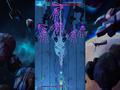
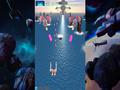
Every other mode is pretty self-explanatory. Practice gives you a chance to replay any stage or section of a stage, so you can burn those patterns into memory. Caravan is a two-minute scoring challenge. Mission mode throws in bonus objectives on short stages and grades you according to your performance, while Endless is interesting since it is essentially a survival mode on a procedurally generated stage. All of the modes are interesting for those who want to hone their shoot-'em-up/avoid-'em-up skills or those looking for short bursts of play.
The overall presentation is nice but takes some getting used to. The graphics are fine, and while it is much more important to get a solid frame rate out of the game, it would be nice if the game visuals looked more up to date. Even then, the designs for your ships and enemy craft don't inspiring but are passable. The soundtrack delivers on the techno vibes, but while they're good for delivering on the action, they also provide a calmer vibe than expected from shooters. The tracks are still good but initially unexpected.
Those who choose to run the game on a Linux machine will find that they'll have no trouble doing so, as the default version of Proton chosen by the Steam client does a very good job of running the game without any issues. The same applies to those running the game on the Steam Deck, but players will have to keep in mind that the settings are saved in the cloud, so turning things up to the max on one machine means really stressing out the Deck. By cranking the overall quality to low, you won't notice a hit to visuals, but you can get the performance locked to 60fps while getting roughly three hours of playtime on a full charge on the Deck's LCD version. Keep in mind that while you can change the resolution, doing so gives you muddy visuals, so even though you can squeeze out 30 more minutes of gametime this way, the trade-off isn't worth it.
Psyvariar 3 proves that the series' core formula can evolve without sacrificing what made it memorable in the first place. The signature buzz system remains intact; it works exceptionally well once you understand its mechanics. The addition of multiple ships with meaningful differences adds considerable depth, while the varied difficulty settings and game modes give the experience lasting appeal. For shoot-'em-up fans, Psyvariar 3 is well worth a look, especially if you're seeking something that stands apart from the genre's usual conventions.
Score: 8.5/10


More articles about Psyvariar 3